Dry time and cure time of a decoupage glue are not the same thing
Every decoupage glue and sealer we make dries long before it is finished hardening. The gap between the two is where projects get ruined.
Dry is what you can see
Most of our brush-on formulas lose their milky look and stop being tacky in 15 to 20 minutes in an ordinary warm room. That is dry. You can handle the piece, you can add the next coat after about an hour, and the colour underneath has come back.
Damp air and thick coats both stretch this out. If a coat is still cloudy after an hour, it was too thick — leave it longer rather than adding more on top.
Cure is what you cannot
Underneath that, the acrylic film keeps hardening for roughly three to four weeks. During that window the finish is softer than it will end up, which is why a piece can look finished and still mark under a fingernail.
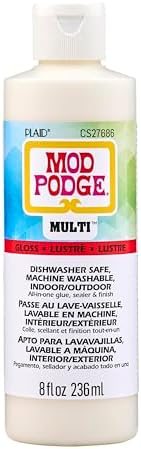
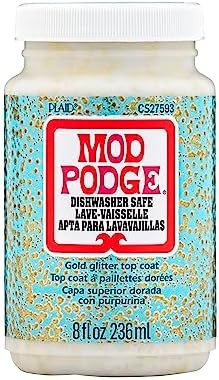
This is the whole reason we ask for 28 days before a dishwasher safe piece goes through its first cycle. It is not caution for its own sake — a hot wash in week one will soften a film that has not finished setting, and the decoration will lift.
Speeding it up, sensibly
Warmth and moving air help; heat guns and hairdryers held close do not. Forcing the surface to dry faster than the layer beneath it is how you get a skin over wet medium, and that stays cloudy for days. Thin coats in a warm room beat any shortcut.
Decoupage glue and sealer at a glance
Touch dry
- 15 minutes
- 20 minutes
- thin coat
Recoat
- after 20 minutes
- after an hour
Handle
- same day
- next morning
Fully cured
- four weeks
- 28 days
Before washing
- 28 days
- cool water
- top rack
Slows drying
- cold room
- damp air
- thick coat
- sealed box
Speeds drying
- warm room
- moving air
- thin coats
Never
- hot air gun
- oven
- direct sun
The same two numbers apply to every Mod Podge decoupage glue we make, and to the sealant sprays as well. Touch dry is about handling. Cured is about strength. Between the two your project is making its own mind up, and anything you do to it in that window — washing, stacking, wrapping it in paper — gets recorded in the finish.
Creative work is mostly waiting, which is the least popular thing we have to say. But a crafter who gives a piece the full four weeks gets a durable finish that dries clear and handles being used. The handy part is that curing needs nothing from you: a warm room, moving air and patience create a harder film than any trick with a heat gun.
Next from the bench: Is it waterproof? An honest answer. Or go straight to the shelves and pick a bottle.
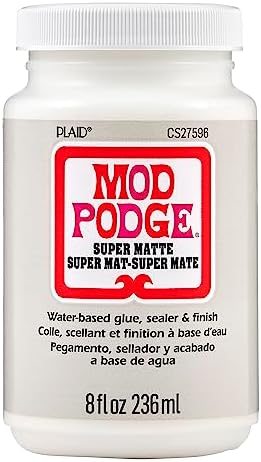
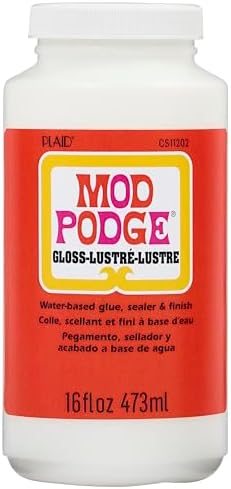
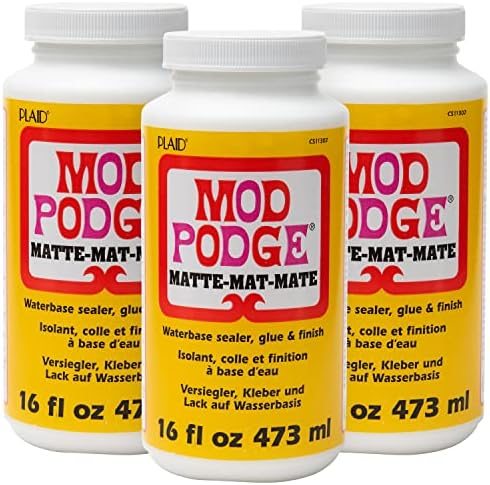
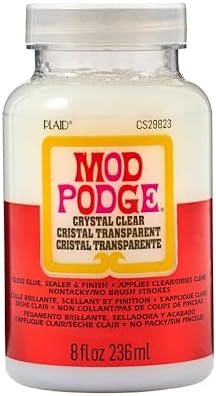
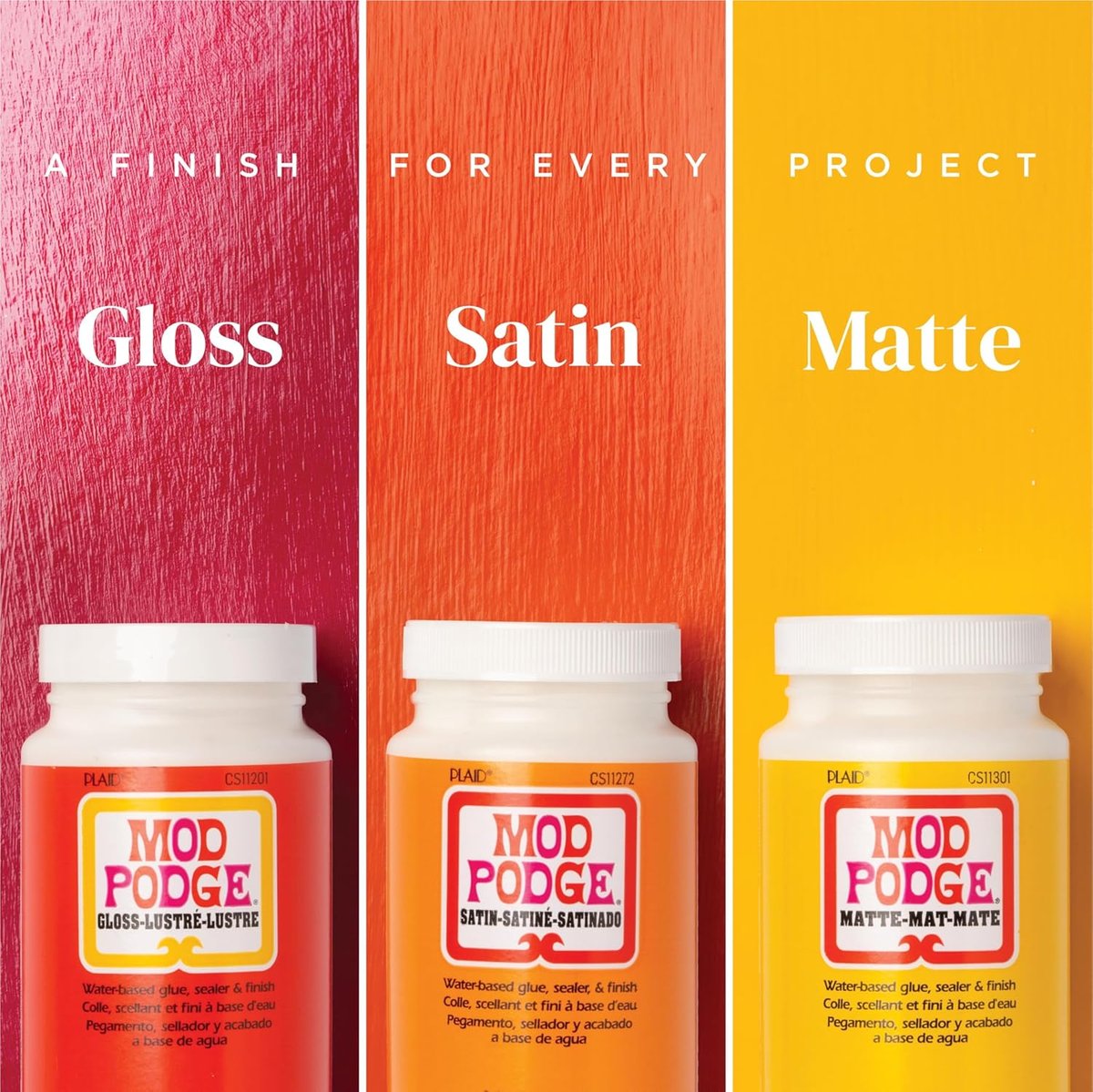
The decoupage glue and sealer this one is about