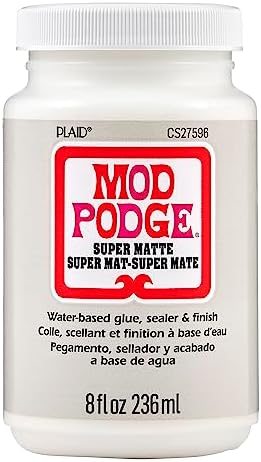
Super Matte All-in-One, 8 oz
Matte finish · 8 fl oz
$8.49
The original Mod Podge decoupage glue, sealer and finish in one bottle — matte, gloss and satin, in every size we fill.
This is the shelf most people mean when they say Mod Podge. Same water-based glue, three sheens, and sizes from a 2 oz tester to a gallon jug. If you are buying your first bottle, take matte or gloss in 8 oz and learn what a thin coat does.
Everything here glues the paper down and seals it with the same brush. The medium goes on white so you can see your coverage, then clears as it dries.
Matte finish · 8 fl oz
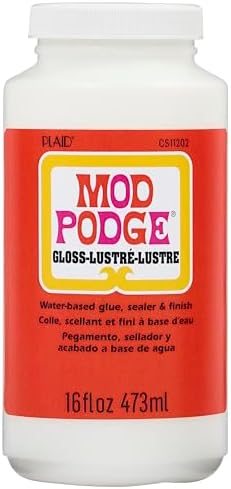
Gloss finish · 16 fl oz
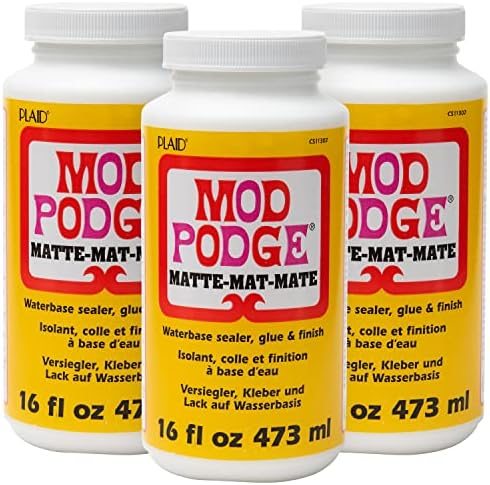
Matte finish · 16 fl oz · pack of 3
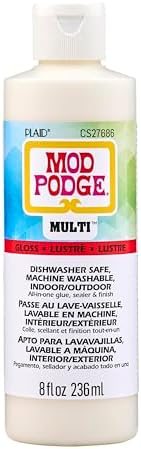
Gloss finish
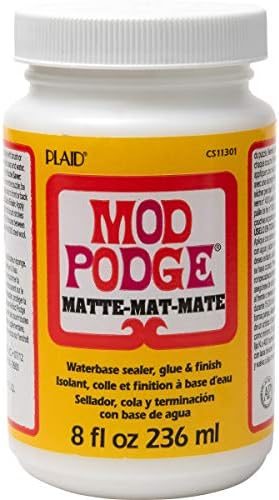
Matte finish · 8 fl oz
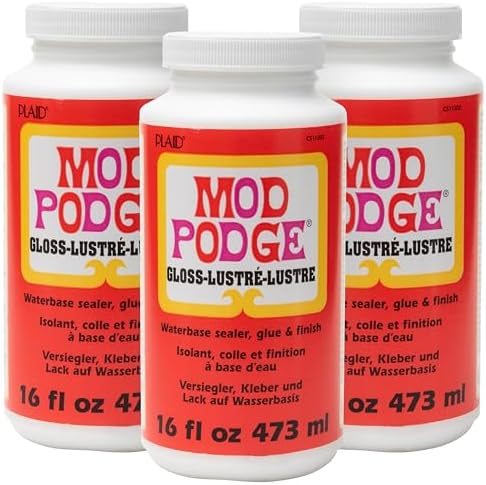
Gloss finish · 16 fl oz · pack of 3
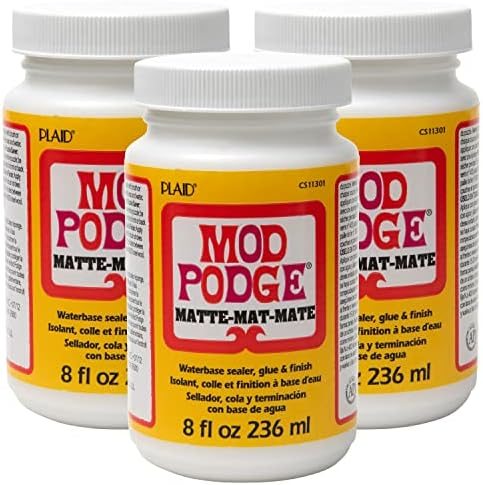
Matte finish · 8 fl oz · pack of 3
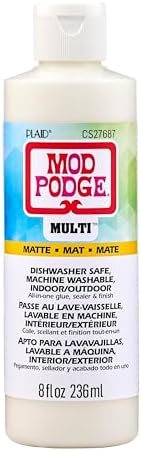
Matte finish
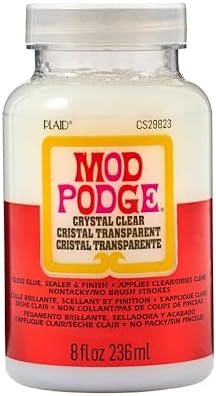
Gloss finish · 8 fl oz
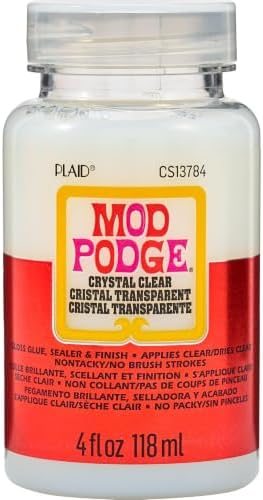
Gloss finish · 4 fl oz
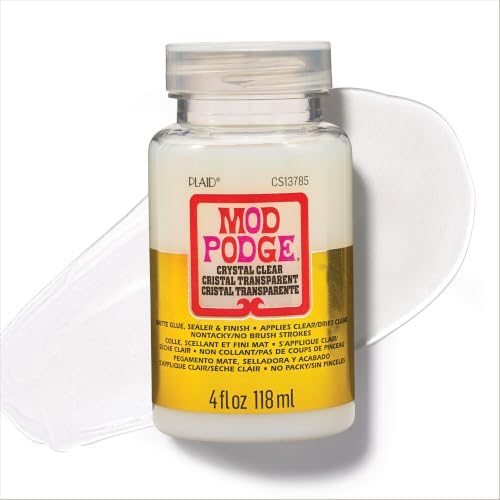
Matte finish · 4 fl oz
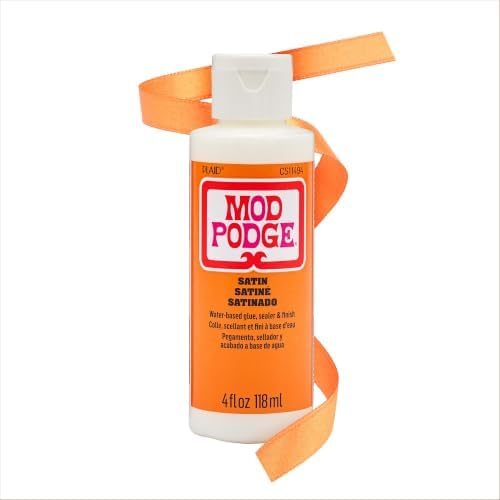
Satin finish · 4 fl oz
Matte finish · 1 gallon
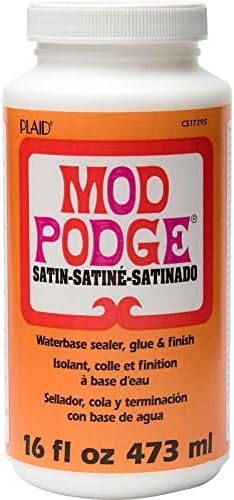
Satin finish · 16 fl oz
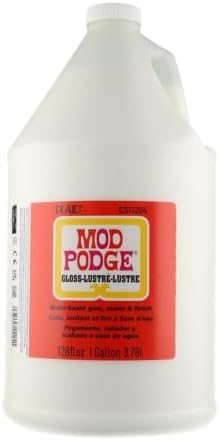
From our line
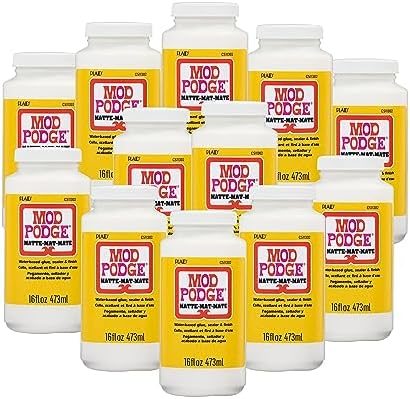
Matte finish · 16 fl oz · pack of 12
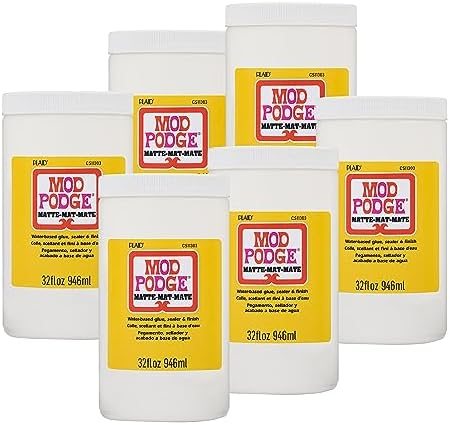
Matte finish · 32 fl oz · pack of 6
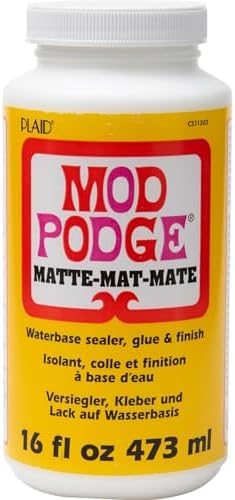
Matte finish · 16 fl oz
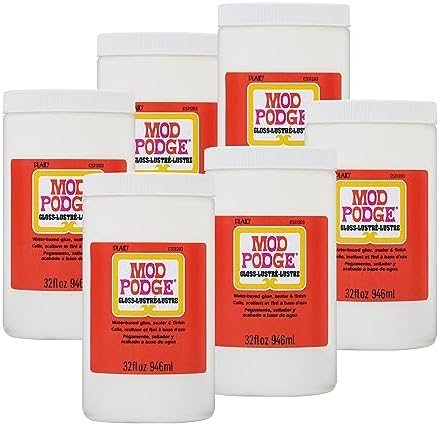
Gloss finish · 32 fl oz · pack of 6
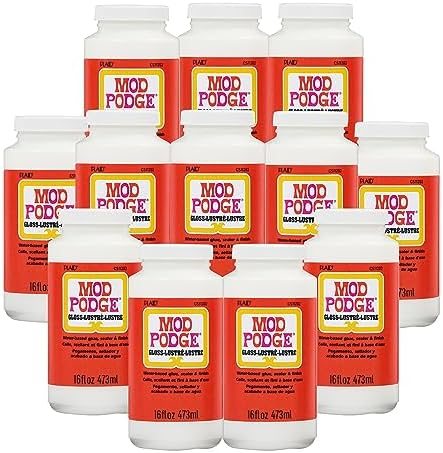
Gloss finish · 16 fl oz · pack of 12
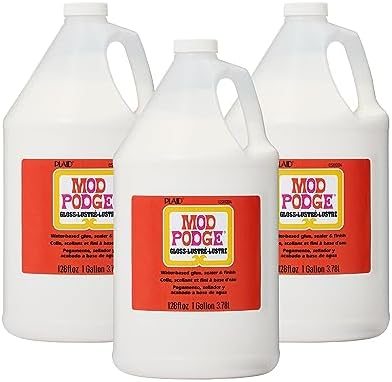
Gloss finish · 1 gallon · pack of 4
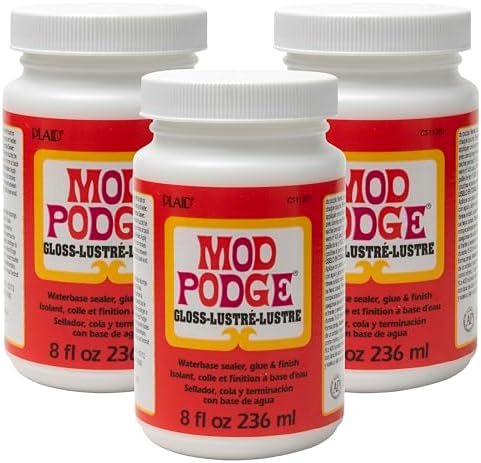
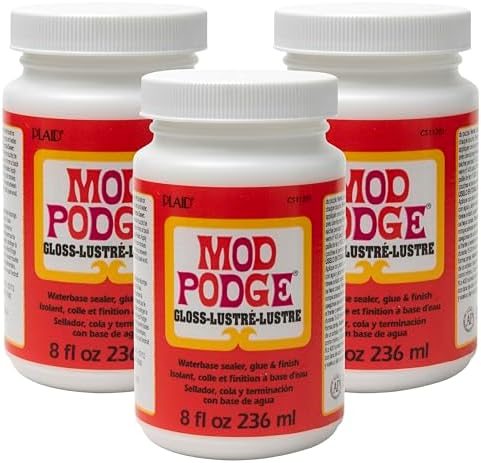
Gloss finish · 8 fl oz · pack of 3
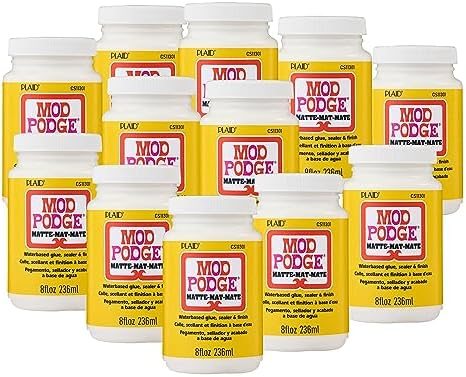
Matte finish · 8 fl oz · pack of 12
Gloss finish · 2 fl oz
Matte finish · 2 fl oz
Gloss finish · pack of 2
Gloss finish · 8 fl oz · pack of 12
Not sure this is your shelf? Our surface chart, written out walks through which of our formulas we have tested on which material, and the other eleven shelves are one click away.
One bottle of our original formula is a decoupage glue, a sealer and a finish. You brush it under the paper to stick it down, press the paper smooth, let it dry, then brush the same medium over the top to protect what you have just made. That is the whole method, and it is why a single jar covers most craft projects people bring to us.
It is acrylic and water based, so it cleans up with water, it is non-toxic enough for kids at the kitchen table, and it will not fill a room with solvent. It goes on milky so you can see your coverage and dries clear, which means printed colour and photographs come back looking the way they looked before you started.
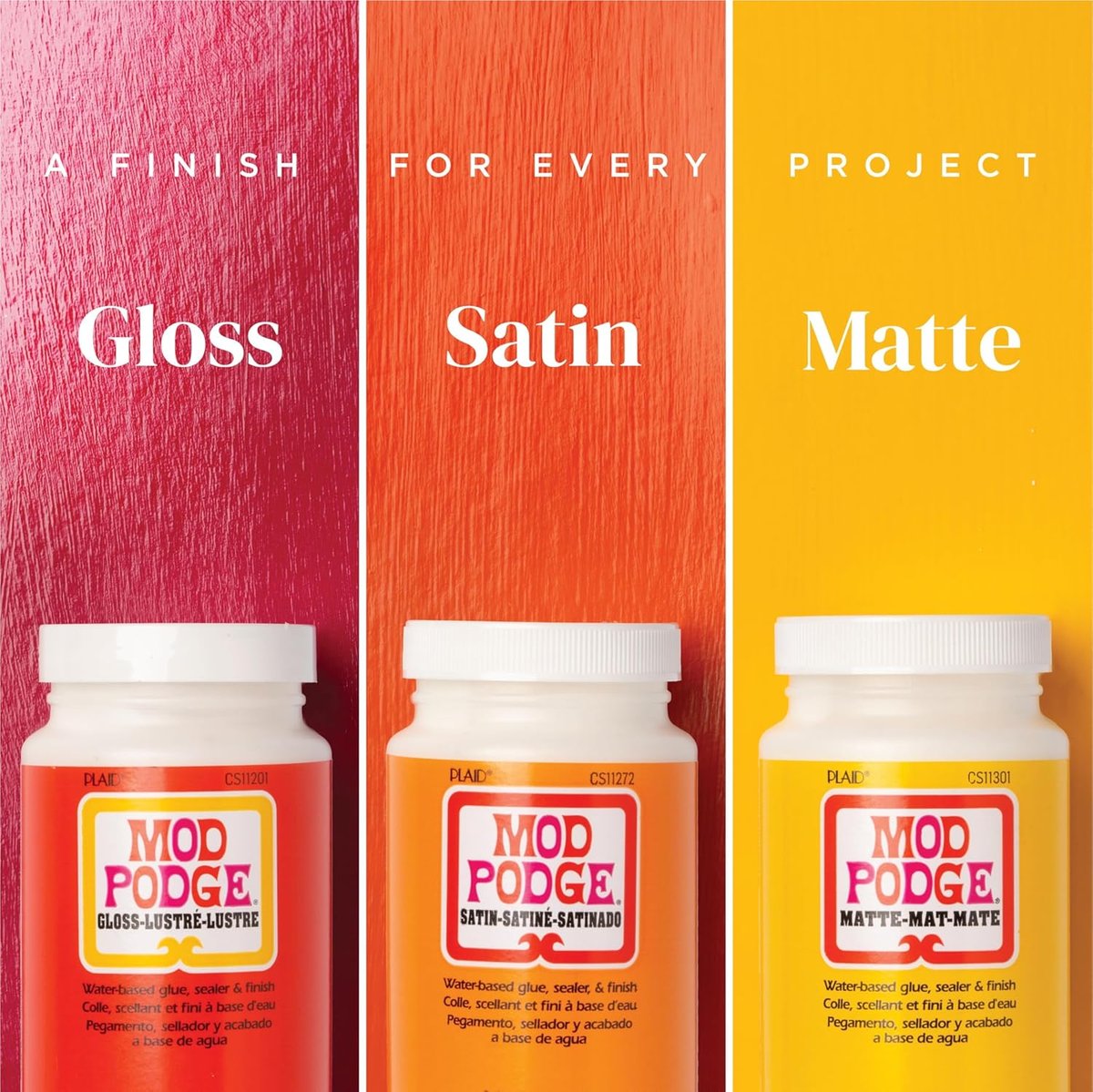
The three sheens are the same glue with a different look at the end. Matte dries flat and is the easiest surface to photograph. Gloss gives a wet shine that deepens colour and makes a design read as finished. Satin sits between the two. Nothing here changes how you apply it — only how the dry film catches light.
Where we have tested the original formulas:
Yes, and it is one of the things we use it for most. Let the paint dry properly first, then brush a thin coat over the top. It protects the paint from dust and handling and leaves the sheen you picked.
One under the paper, one or two over the top. More coats make a thicker, tougher film, but each one needs to dry before the next or you trap moisture and the finish stays cloudy.
No. School glue is an adhesive and nothing else. Ours is a decoupage medium: it glues, it seals, it dries clear and it is formulated to be brushed over the top of a piece without going milky or sticky.