Decoupage glue on wood, glass and fabric: three different jobs
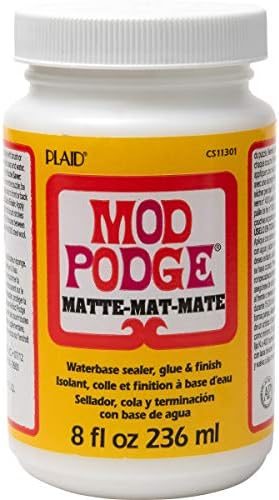
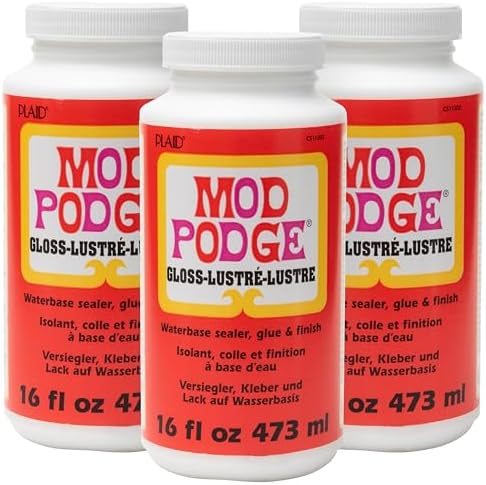
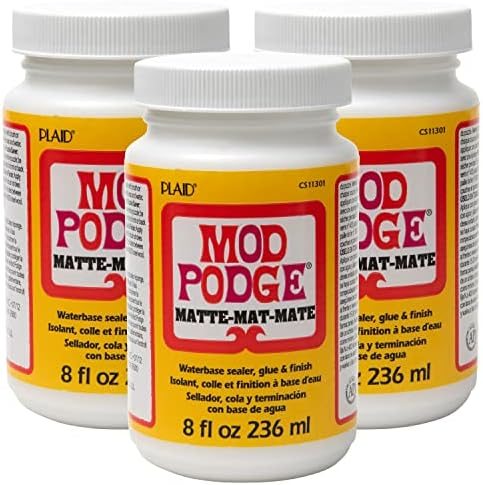
A decoupage glue and sealer soaks into wood, sits on glass and has to flex on fabric. Same bottle, three different jobs.
Wood and other porous surfaces
This is the easy case and the one the original formula was built for. Sand the surface smooth, wipe the dust off, and seal bare wood with a thin coat of the medium before you lay any paper — otherwise the wood drinks the next coat and the paper lifts at the edges.
Paper mache, plaster, terra cotta, canvas and card all behave the same way. Prime, then work.
Glass, ceramic and metal
Slick surfaces give the medium nothing to grip, so preparation matters more than technique. Clean with rubbing alcohol and let it flash off; a fingerprint of grease is enough to cause a lift later.
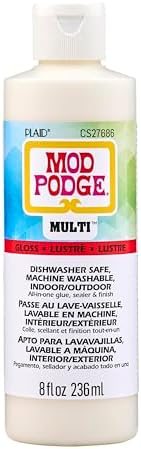
For anything that will be washed, use a dishwasher safe formula and keep the decoration off the rim and off any surface that touches a mouth. Then leave it the full 28 days.
Fabric that still has to move
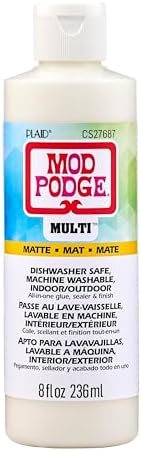
Ordinary formulas dry to a film that is fine on a stretched canvas and wrong on a t-shirt. The fabric formula stays flexible so cloth drapes and launders; use that one whenever the finished thing is meant to bend.
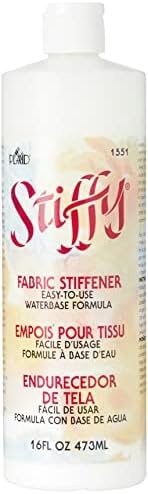
Stiffy is the opposite tool for the opposite job — it sets fabric hard, which is what you want for bows, baskets, draped ornaments and anything that has to hold a shape it was not cut to hold.
Decoupage glue and sealer at a glance
Porous surfaces
- bare wood
- mdf
- terra cotta
- papier mache
- cardboard
Prepare wood
- sand smooth
- wipe dust
- seal first
Slick surfaces
- glass
- ceramic
- metal
- tin
- plastic
Prepare glass
- wash
- dry fully
- wipe alcohol
Flexible surfaces
- cotton
- denim
- canvas
- felt
- tote bag
Prepare fabric
- wash
- no softener
- press flat
Fabric formulas
- fabric
- satin
- furniture
Avoid
- waxed surfaces
- silicone
- greasy wood
The variety in the Mod Podge line maps onto these three surfaces more than onto anything else. Porous things — wood, terra cotta, papier mache — drink the first coat, so they want a sealing coat before any paper goes down. Slick things need the surface clean enough for the glue to grip. Fabric needs a sealant that stays flexible after it dries clear.
Get the preparation right and the same bottle will create a smooth, durable finish on all three. Get it wrong and no formula saves you: paper lifts off unsealed wood, glue beads on a greasy jar, and a stiff film cracks the first time a tote bag is folded. Crafting on fabric in particular rewards a crafter who washes and presses the cloth first.
Next from the bench: Storing a bottle, and knowing when it is finished. Or go straight to the shelves and pick a bottle.
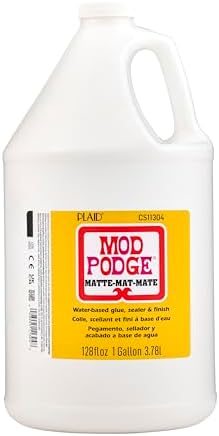
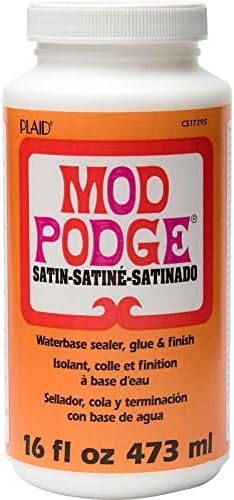
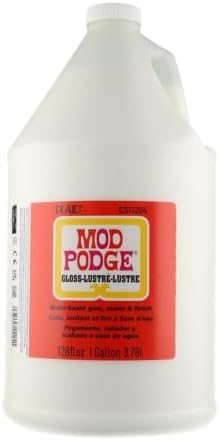
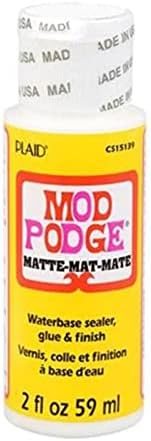
The decoupage glue and sealer this one is about